What is osteopathy?
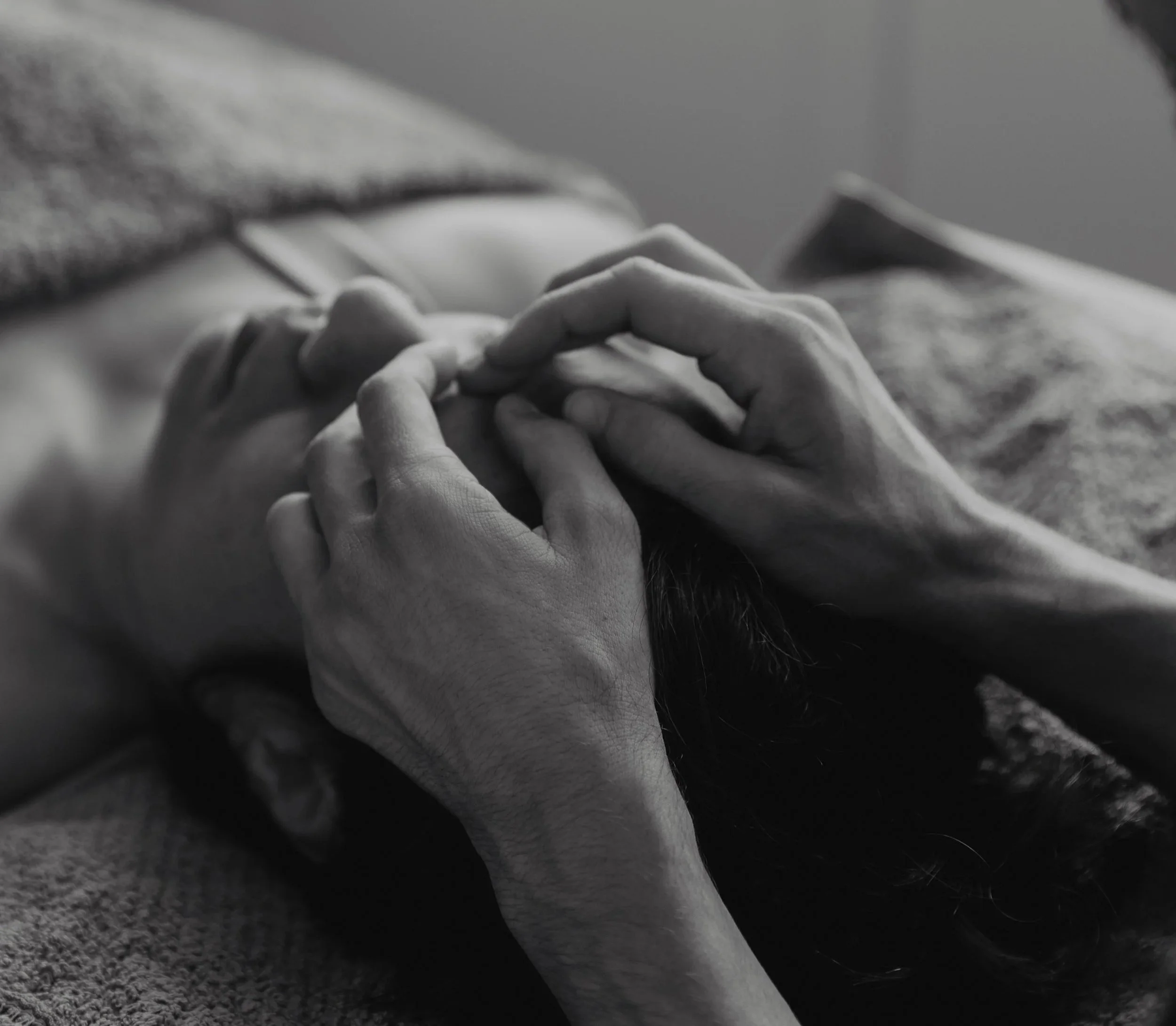
Osteopathy is a hand-on treatment modality first developed from the pursuit of a medicine rooted in a new knowledge of anatomy in the mid 1800s. Since then, it has matured into a beautiful art and science, encompassing a wide range of techniques to suit each individual in a unique way.
Some aspects of treatment may feel like massage work, some may be reminiscent of gentle chiropractic adjustments, while other techniques work on a more subtle, deeper level like cranial osteopathic techniques. Treatment is highly individualized, making it difficult to describe. The main through line may be that good treatments should feel like the body is moved, stretched, softened, challenged or held, and given what it needs most in that moment.
Osteopaths help the body cope with the physical stressors of daily life and stimulate the body’s own healing mechanisms so you can recover from your injury quicker. Beyond initial recovery, it is a work of optimizing the body’s capacity for adaptation, increased mobility, strength and overall health. This is why a lot of people chose to have regular osteopathic treatment as a practice of self care to maintain well being.
People go to osteopaths for support with many aliments :
Pain felt anywhere in the body, including injuries, chronic pain, headaches
Neurological issues, like migraine, dizziness, restless leg syndrome, numbness, pins and needles, nerve pain
Digestive issues like constipation, bloating, work around scar tissue from surgery
Breathing issues like breathing dysfunctions, asthma, COPD (these last two are example of health conditions that cannot be “cured” by osteopathy, but osteopathic treatment can certainly help with labored breathing, by working on the diaphragm, ribs, and respiratory muscles). Breathing retraining can also be part of treatment
The physical manifestations of grief, depression, anxiety: Tight chest, difficulty sleeping, digestive issues, etc
A note about mental health
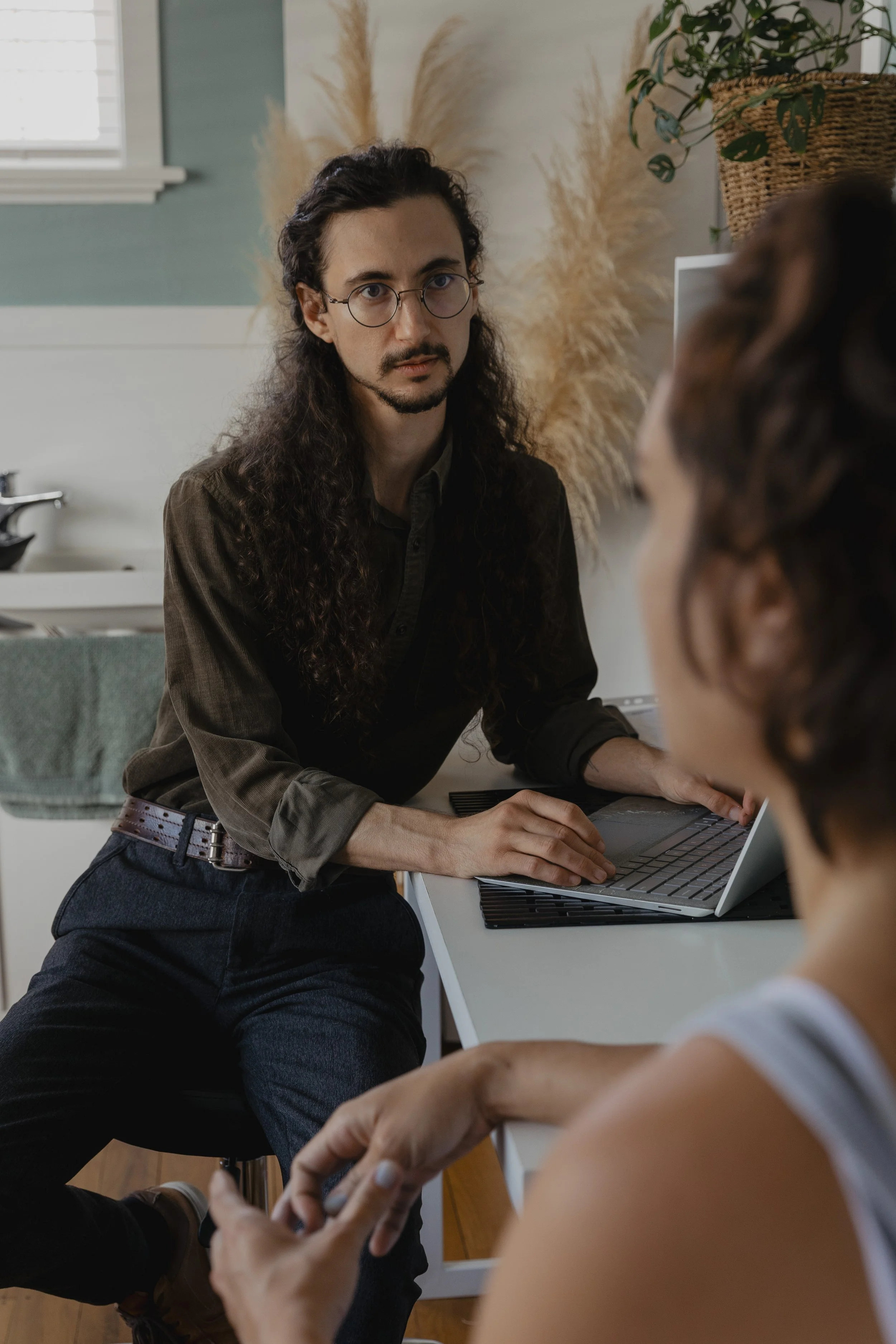
Offering mental health treatment is outside of my scope of practice as an osteopath but mental health support is still part of my role in helping a whole person, not just a body. The emotional aspect of your well being cannot be separated from your overall health and the links between pain and trauma cannot be overstated. My work involves holding space for all facets of your experience.
Consultations serve your therapeutic needs, and that may include talking about what is on your mind. That is absolutely okay and encouraged. Your privacy is absolutely protected under laws of patient confidentiality.