
Pain neuroscience-informed care for persistent pain
Post-surgical pain, CRPS, phantom limb pain, localized pain after tissue healing
Do you still struggle from an old injury you’ve had to learn to live with? Still sore years after an otherwise successful surgery? You’ve been told your injury has healed, but something still doesn’t feel right?
The latest in pain neuroscience combined with the power of touch
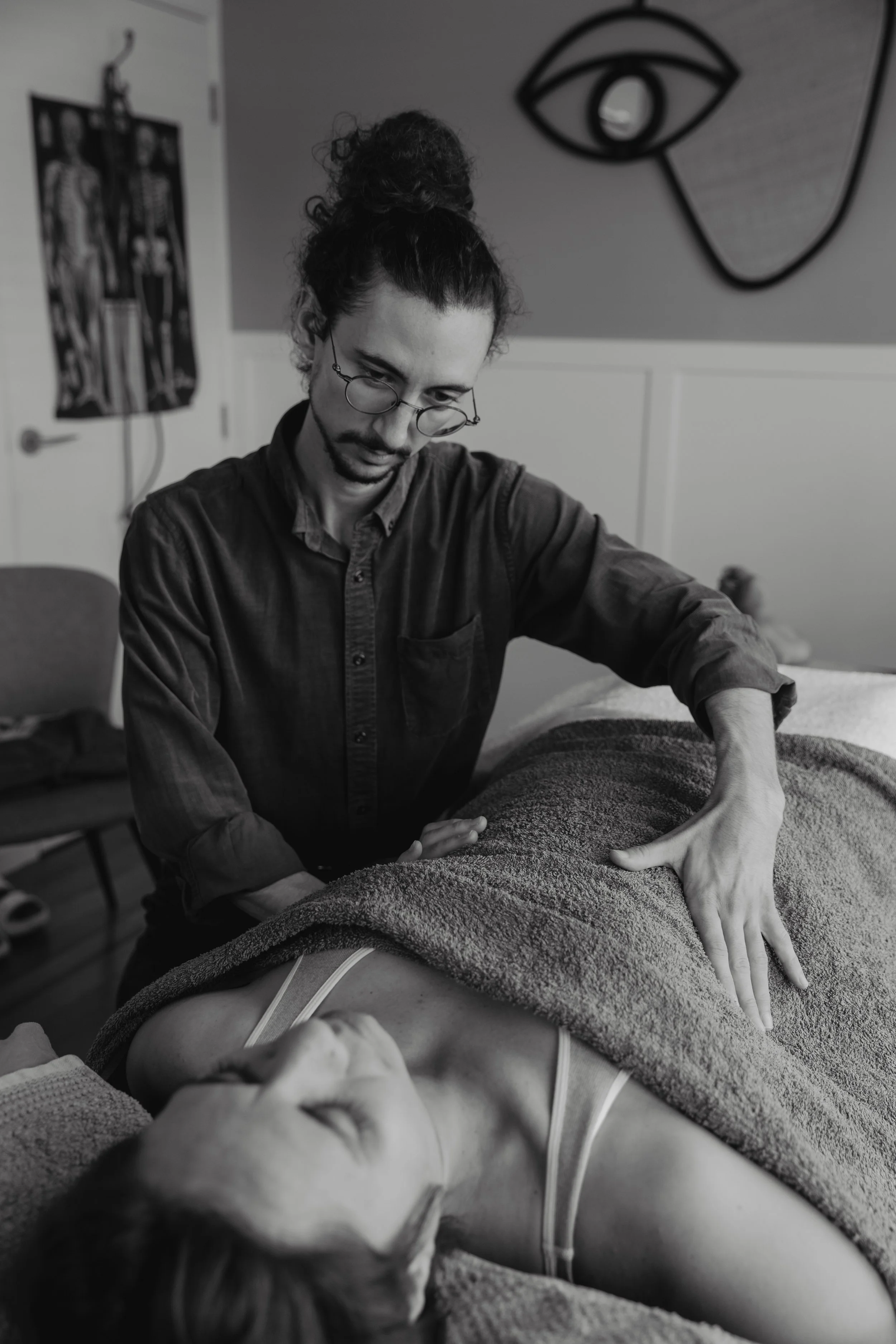
Kaspara has trained with the Neuro Orthopeadic Institute (Australia), to combine hand-on treatment with a contemporary understanding of persistent pain. When pain persists despite tissue healing, chasing the answer in the muscles and joints becomes a never ending puzzle, because that’s not solely where the problem lies. The issue has become the pain processing system itself, sounding the alarm bell when it doesn’t need to. The communication between brain and body suffers a disconnect… And pain neuroscience-informed practice is all about re-calibrating this whole system.
Modalities used
Kaspara’s approach is based on the latest of pain science research. This is based on the bio-psycho-social model of pain, and the understanding that pain is an experience influenced by a multitude of external and internal factors unique to each individual. In the last 20 years, pain science research has made incredible progress, and has resulted in the emergence of multiple modalities which have become some of the most promising interventions for persistent pain.
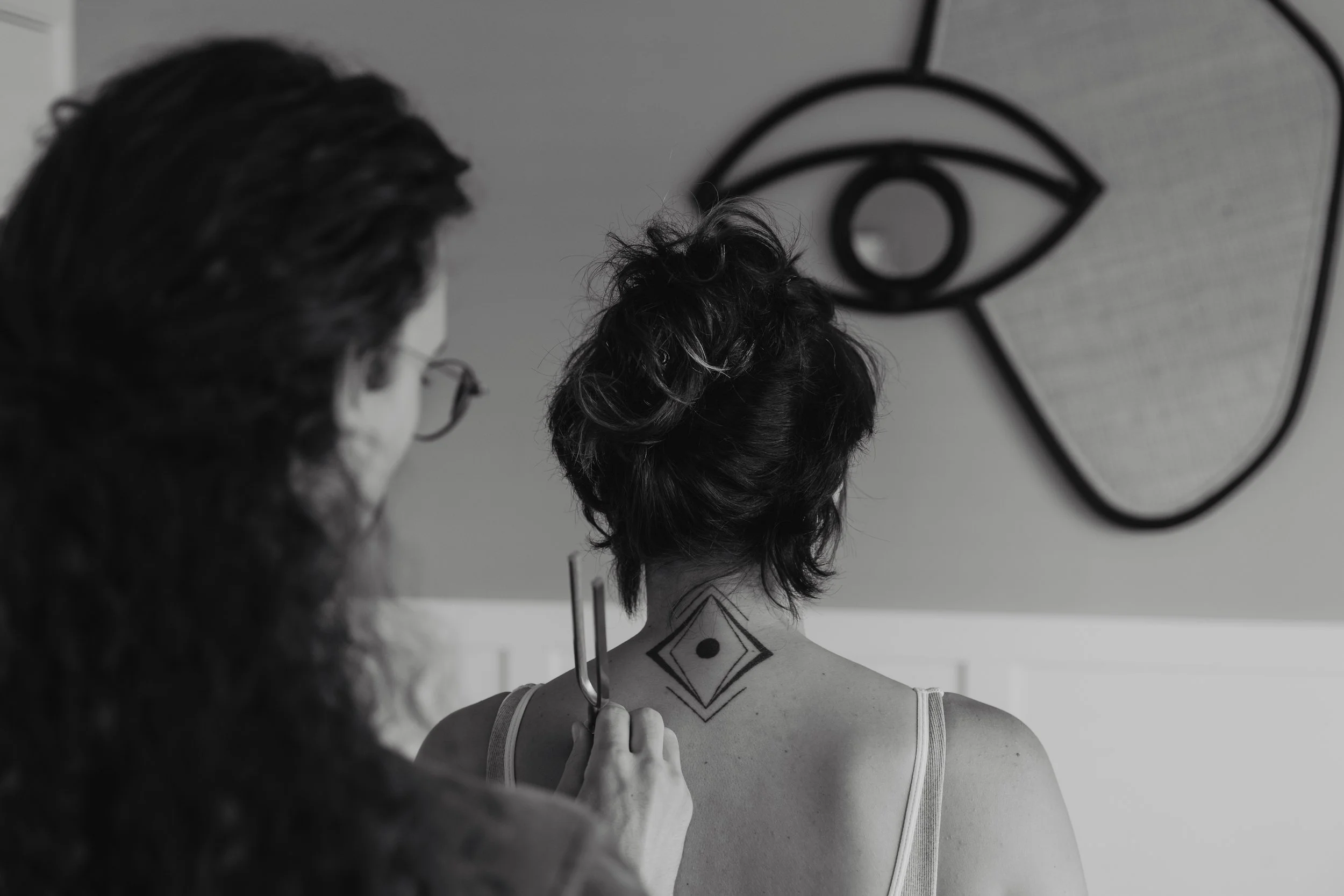
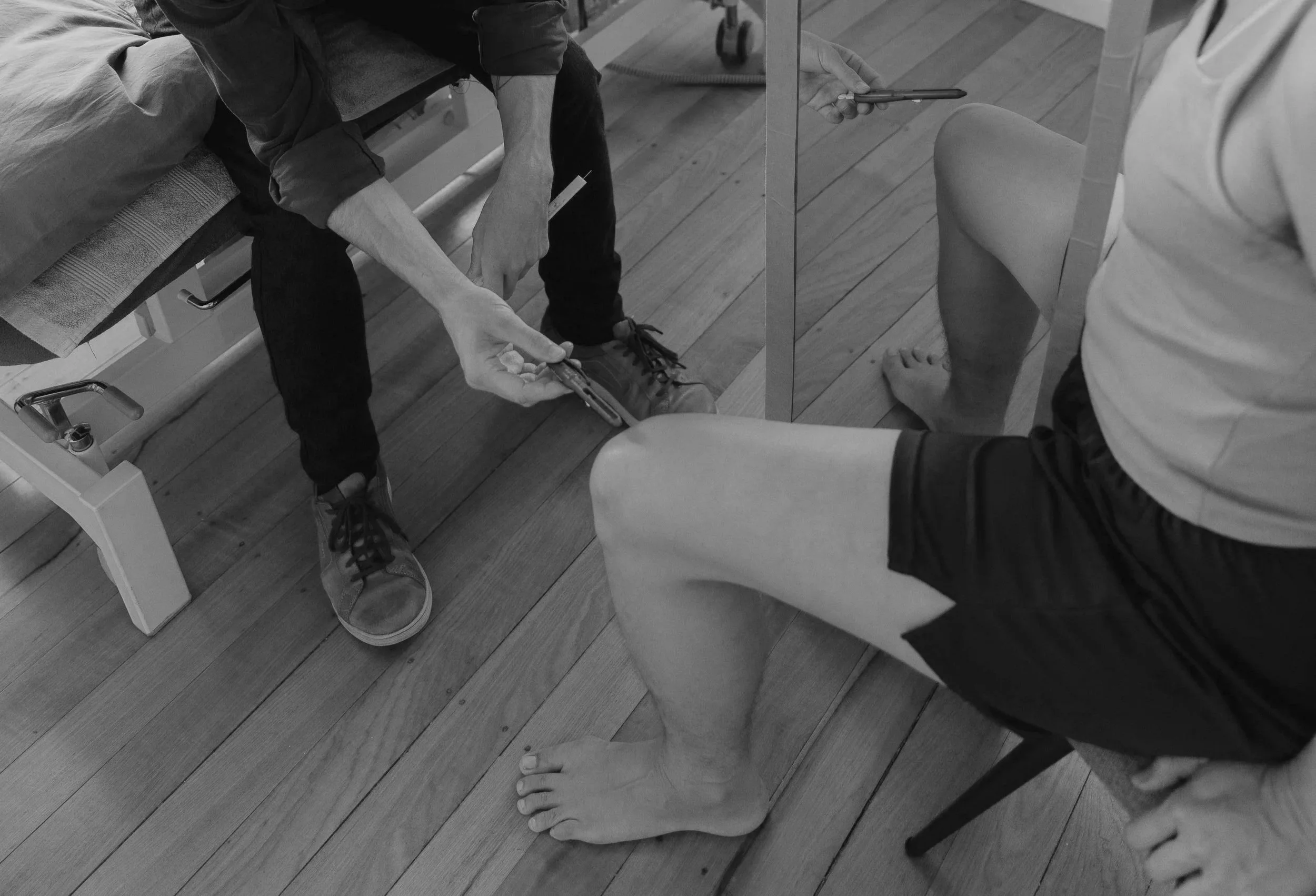
These modalities include Graded Motor Imagery (GMI), mirror therapy, Pain Neuroscience Education (PNE), and sensory acuity training. Essentially these could be summed up as ways to train the brain. These methods are combined with sensorimotor retraining (broader term for fine-tuning the way the brain and the body talk to each other) and manual treatment (this is where some of the osteopathic hands-on treatment comes in) for optimal effectiveness. Together all those approaches aim to re-calibrate the alarm system that causes the pain experience.
We know now that our nervous system is adaptable, so most people can experience a positive change given the right tools. The aim of treatment here is exploring much much change is possible for each individual, and how much can achieved despite the history of pain, rather than seeking a magic “fix“ or waiting to have no pain at all to go back to activities that bring joy.
Research also shows that multidisciplinary practice results in better outcomes. Collaboration with other practitioners (physiotherapist, psychologist, nutritionist, etc) may also be part of your multidisciplinary care plan.
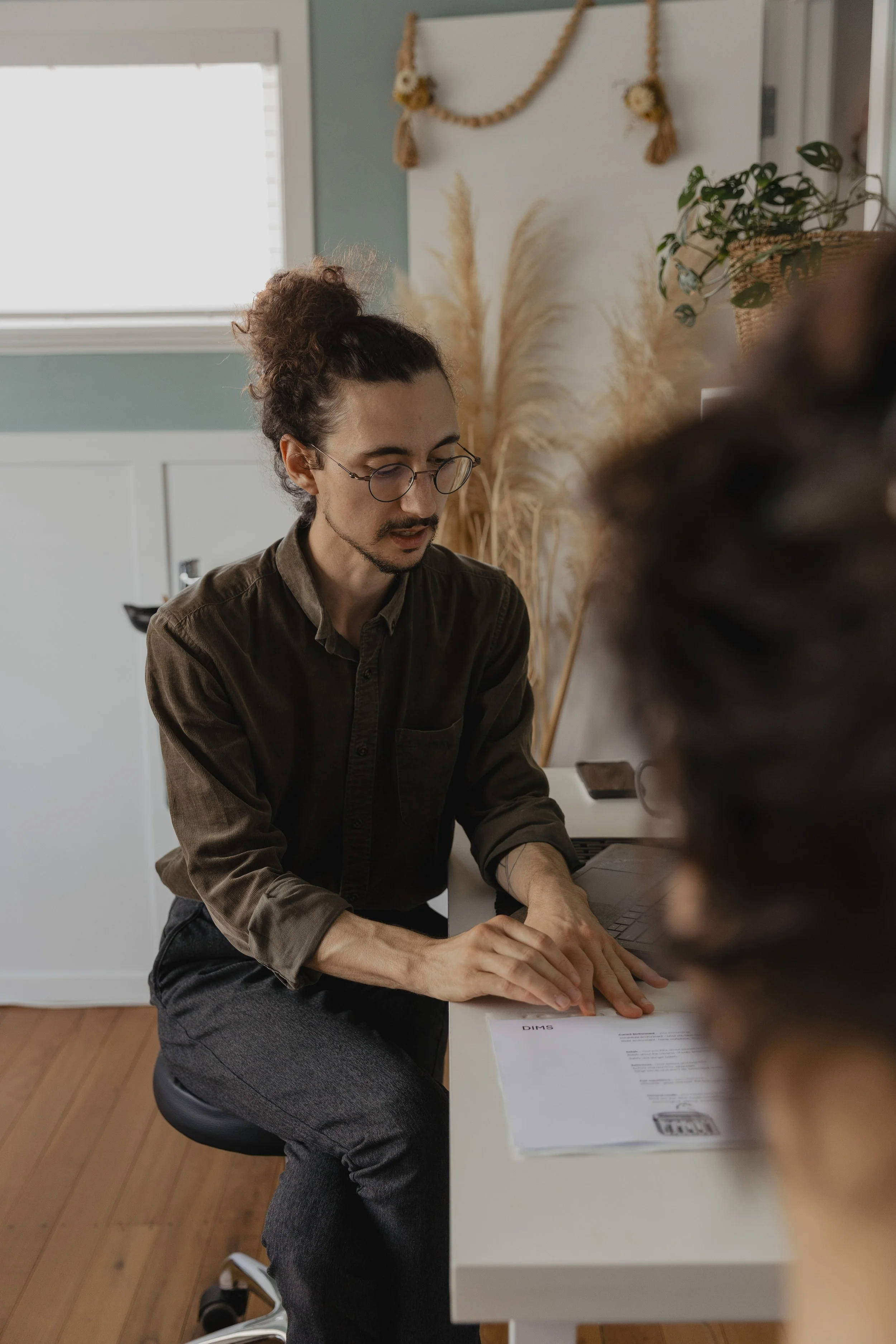
If you are interested in comprehensive evidence-based treatment for your pain, please get in touch by emailing info@kcosteopathy.com, we can arrange a phone call with Kaspara to discuss your needs.
FOR HEALTH CARE PROVIDERS: Please give us a call or email if you are unsure about the suitability of a patient for this service, we are happy to have a chat with you. Phone: 07 220 8093 - Email referrals to: info@kcosteopathy.com
Patients most suited for a referral to this service fit these criteria:
Required:
Medical red flags have been ruled out
Must be willing and able to take an active role in recovery
AND at least one of the following:
Localized pain persisting > 3 months
Post surgical pain beyond expected healing times
Pain has not responded fully to first-line musculoskeletal treatment (physio, osteo)
Suspected or confirmed diagnosis of CRPS or phantom limb pain
NOTE: In conditions where widespread pain, fatigue or autonomic dysfunction are the main cause of disability rather than localized pain, interdisciplinary interventions are best suited and the effect of treatment here alone may be limited. If you fit into this category, I can support you and work with other practitioners on a management plan together.
For example, Fibromyalgia, EDS, TBI/Concussion, CFS/ME, Long Covid, POTS, Functional Neurological Disorder